Kiln Smoke and Open Doors: A Weekend Among Britain's Open Studios
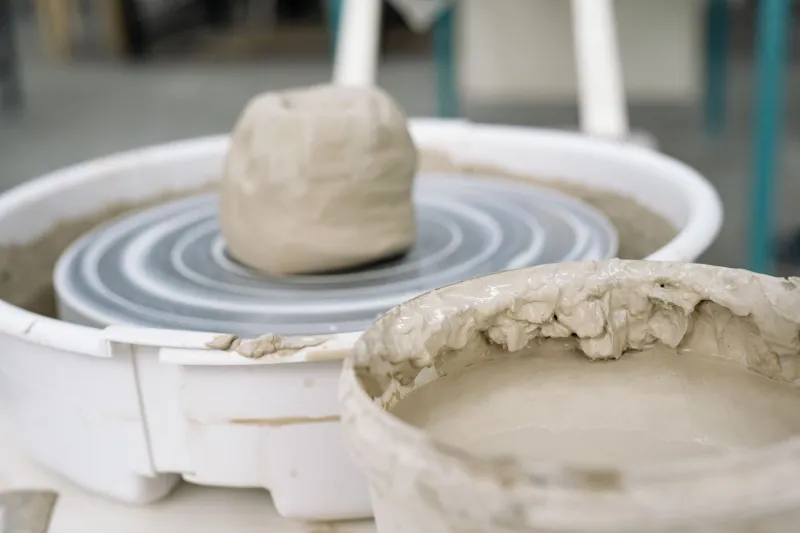
There is a particular smell to a working pottery on the second day of an open studio event: clay dust, a hint of something burning off in the kiln, and coffee that has been on the hob too long. You will not get that in a white cube. You will not get the artist's dog either, or the half-finished thing on the bench that they are clearly not happy with, or the honest answer to the question of how long a piece actually took.
That is the appeal. Open studios are the one moment in the British art calendar when the workshop is the exhibition, and the person who made the thing is standing next to it, slightly tired, genuinely pleased you came.
Start with the calendar, not the map
Open studio events are stubbornly regional and stubbornly seasonal. Some run for a single weekend, others sprawl across a fortnight or a whole month. Spring and early summer belong largely to the trail-style events — town-wide affairs where dozens of artists hang a numbered sign outside a front door — while late summer and autumn tend to favour the bigger county-wide programmes and the festival-adjacent ones in coastal towns.
Before you book anything, find the event's own listing page and check three things: the dates, whether the studios are open on both days of the weekend or only Sunday, and whether there is a printed or digital trail map you can download in advance. That last one matters more than it sounds. Some events publish a proper brochure with opening hours per venue; others rely on a web map that is fine on a laptop and useless on a hillside with one bar of signal.
It is also worth checking whether the event is a collective — a mill building, a farm complex, a converted school with twelve makers under one roof — or a scattered trail of individual homes. Collectives are gentler on the legs. Scattered trails are better for landscape, and considerably harder on the schedule.
Pick a base you can walk out of
This is where the B&B decision actually earns its keep. The instinct is to book somewhere pretty and drive between venues. Resist it. The pleasure of an open studio weekend comes from the gaps between stops: the lane, the churchyard, the slightly odd café, the ten minutes of thinking about what you just saw.
So choose a town rather than a countryside idyll, and choose one where the highest concentration of studios sits within twenty minutes on foot of your front door. A room above a shop on a high street will beat a beautiful barn four miles out almost every time. Look for: a base with a decent independent café for breakfast, a pub or bistro that serves food past nine, and a studio cluster or a collective building listed as walkable.
If the event is genuinely rural — and many of the best ones are — then aim for a village with a hub venue and treat the car as a shuttle for one or two outlying stops only, not as the whole day's plan.
Build a route with breathing room in it
Amateurs plan eight studios. Realists plan four, and see five because one of them was on the way.
A good day runs roughly like this: one large collective in the morning, when you are fresh and happy to chat; a solo studio or two after lunch, when a slower pace suits; and something small and odd last, on the walk home. Allow forty-five minutes per stop rather than the fifteen a map suggests — artists are talkers, and the conversation is half the point.
Keep a list of what you liked. Not a mental list. An actual one, in the back of the trail brochure or a note on your phone. By Sunday afternoon everything blurs into a pleasant haze of glazes and lino cuts, and you will want to know which name to look up when you get home.
A short word on studio etiquette
Do ask questions. Don't ask for the technique and then explain how it could be scaled up. Most artists are delighted to talk about process, materials, and why a piece failed twice before it worked; fewer are delighted to be told they could sell more with a different colourway.
Ask before photographing, particularly inside someone's home. Ask before handling anything. And if you are not going to buy, say something warm and specific rather than nothing at all — a comment about a particular piece goes a long way when it has been a long weekend on your feet.
Cash and cards are both worth having. Smaller studios may not have a card reader, and £20 note in a pocket has rescued many a good print from being left behind.
The evenings, and the actual point
One of the nicer side effects of a studio weekend is that the town's restaurants fill up with makers and buyers and people carrying suspiciously well-wrapped parcels. Book dinner. Sit near the window. You will overhear three conversations about framing.
And leave a little space on Sunday morning. The best thing you can do with an open studio break is not to fill it — to walk the same street you walked yesterday and notice a workshop you missed, or go back to the one that stayed with you and buy the small thing you talked yourself out of. That second visit, when they remember your face, is the whole reason to build a weekend around this rather than around a blockbuster show with a queue down the street.