The One-Show Weekend: Building a 2026 City Break Around a Single Exhibition
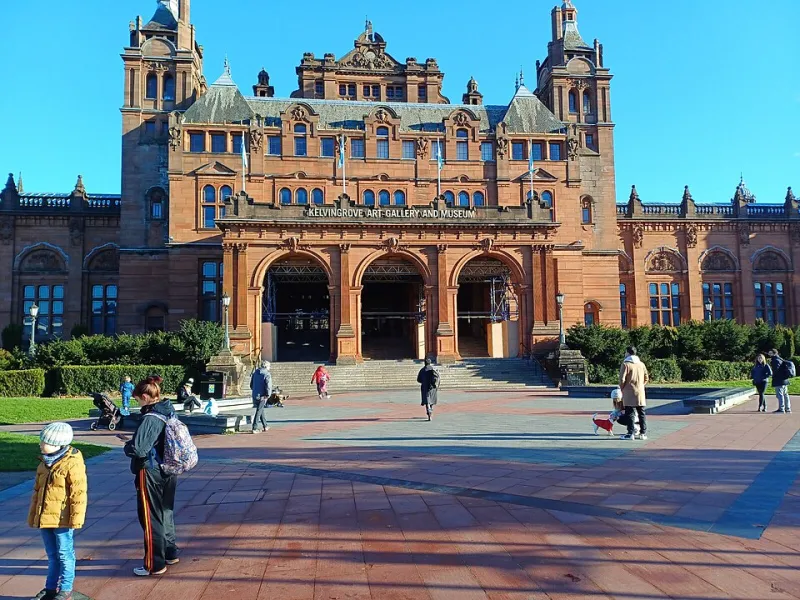
Photo: Rich Tea , CC BY-SA 2.0, via Wikimedia Commons
Most city breaks fail for a simple reason: too many things. Three galleries, two museums, a walking tour, a rooftop bar and a restaurant someone saved on their phone in 2023. You come home tired and strangely unable to remember much of it. The alternative is not lazy. It is more ambitious. Choose one exhibition. Build the weekend around it. Look properly.
In 2026 there is no shortage of major shows to plan around, from national gallery retrospectives to small museum surveys and photography exhibitions that reward a second walk-through. The art-house approach is not to see more. It is to let one thing do its work.
Choose the show, not the city
Start with the exhibition, not the destination. A city break should be a consequence of the show, not a backdrop you cram it into. Ask yourself: is this an artist, period or idea I actually want to spend two hours with? Will I still be thinking about it over dinner?
A good anchor show usually has three qualities. It is substantial enough to justify the trip, contained enough not to exhaust you, and timed so you can book a slot rather than queue. A single-artist retrospective often works better than a sprawling blockbuster. So does a focused show in a smaller institution where you can stand in front of one work for ten minutes without being nudged along by a crowd.
Book the ticket first. Then book the train. Then find the bed. That order saves you from the classic mistake of arranging accommodation around a city and discovering the exhibition is closed on Mondays.
The shape of the weekend
Here is the template I would use for almost any 2026 city break built around one show.
Friday evening
Arrive late afternoon. Check in somewhere within walking distance of the gallery, or one easy bus ride away. Do not book a heavy dinner. Find a neighbourhood place, eat early, and read the exhibition guide or a short essay about the artist. Treat the evening as a warm-up, not a second event.
Saturday morning
Book the first or second slot of the day if you can. Go in fresh. Leave the phone in your bag. Pick three works and give them real time. Sit down in the gallery if there is a bench. Read the labels properly. Then leave before you are saturated.
Saturday afternoon
This is where most people overdo it. Do not go straight to another major museum. Have lunch. Wander. Find an independent bookshop, a record shop or an art-supply place. If there is a small commercial gallery nearby, look in for twenty minutes. Buy one postcard, not six.
Saturday evening
Eat somewhere with a table you can linger at. Talk about the show. If you are still energised, find a late cinema screening or a pub with a quiet corner. If not, go back to the B&B and do nothing. Both are correct.
Sunday morning
A slow breakfast, a short walk, maybe one small museum or house connected to the exhibition. Then leave. Do not squeeze in a second blockbuster because you feel you should. You have already had the main event.
Where to stay for gallery access
Proximity matters, but so does character. A chain hotel next to the gallery is useful; a B&B fifteen minutes away with a host who knows the local cafés is usually better. Look for places that offer bag storage before check-in and after checkout. Ask about breakfast times, especially if your ticket slot is early.
In London, Bloomsbury and Fitzrovia make sense for the British Museum and the Wallace Collection, while South Kensington works for the V&A and Science Museum. In Edinburgh, stay within reach of the National Galleries on the Mound. In Glasgow, Garnethill puts you near the CCA and the School of Art. Leeds city centre is handy for the Henry Moore Institute. Bristol Harbourside is an easy base for the Arnolfini. Newcastle and Cardiff both reward a stay near their main gallery districts. The rule is simple: choose the neighbourhood that lets you walk to the show, then let the rest of the city happen around it.
Shops and cafés worth saving time for
The pleasure of a one-show weekend is the space around it. Independent shops are part of that. Look for the bookshop attached to the gallery, then the second-hand one two streets away. Find the café that is not a chain and has a table by the window. In Leeds, the Corn Exchange and the independent shops around Vicar Lane reward a wander. In Glasgow, the area around the CCA and Sauchiehall Street has bookshops and coffee stops that make a wet afternoon feel purposeful. In Bristol, the Harbourside has enough small galleries and food spots to fill a gentle few hours without turning into a march.
This is not about ticking off a curated shopping list. It is about giving yourself somewhere to sit, think and recover between looking. A good café is part of the exhibition-going experience.
Look properly, then stop
Art-house weekends are not slow because they lack ambition. They are slow because looking properly takes energy. One show, one long lunch, one walk and one good night's sleep will leave you with more than five galleries and a blur of gift shops.
So choose your 2026 exhibition carefully. Book one slot. Stay nearby. Eat well. Go in with a question and come out with a different one. That is the whole itinerary.